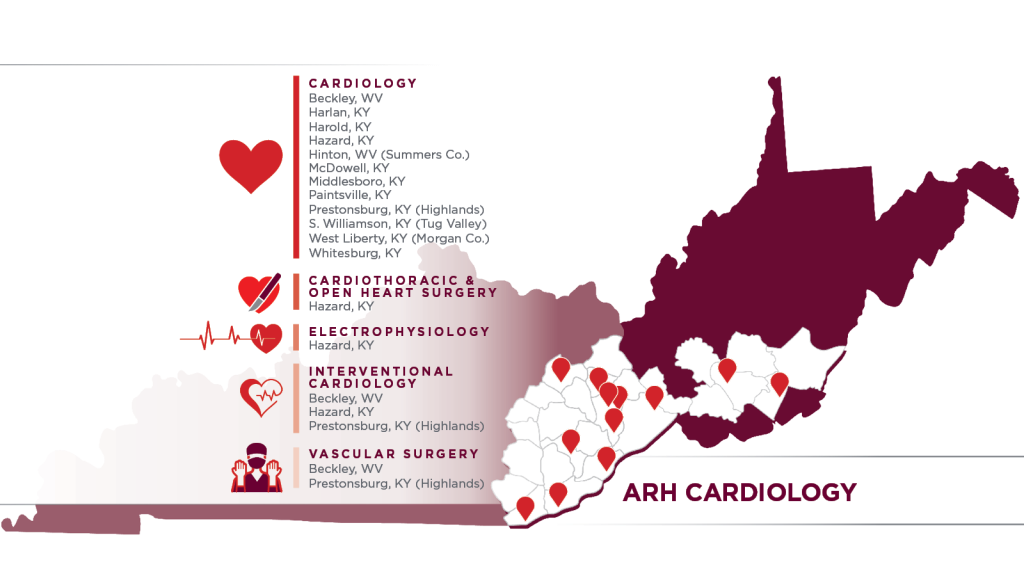
Appalachian Regional Healthcare (ARH) Cardiology, where heart care meets the comfort of home. Our dedicated team of cardiologists brings world-class expertise to your doorstep, ensuring you receive the highest level of care without the need to travel far. ARH understands the importance of community and family, and we are committed to keeping your heart healthy and strong right here, close to home. Your heart matters to us. We want to ensure that you have a long and happy life.
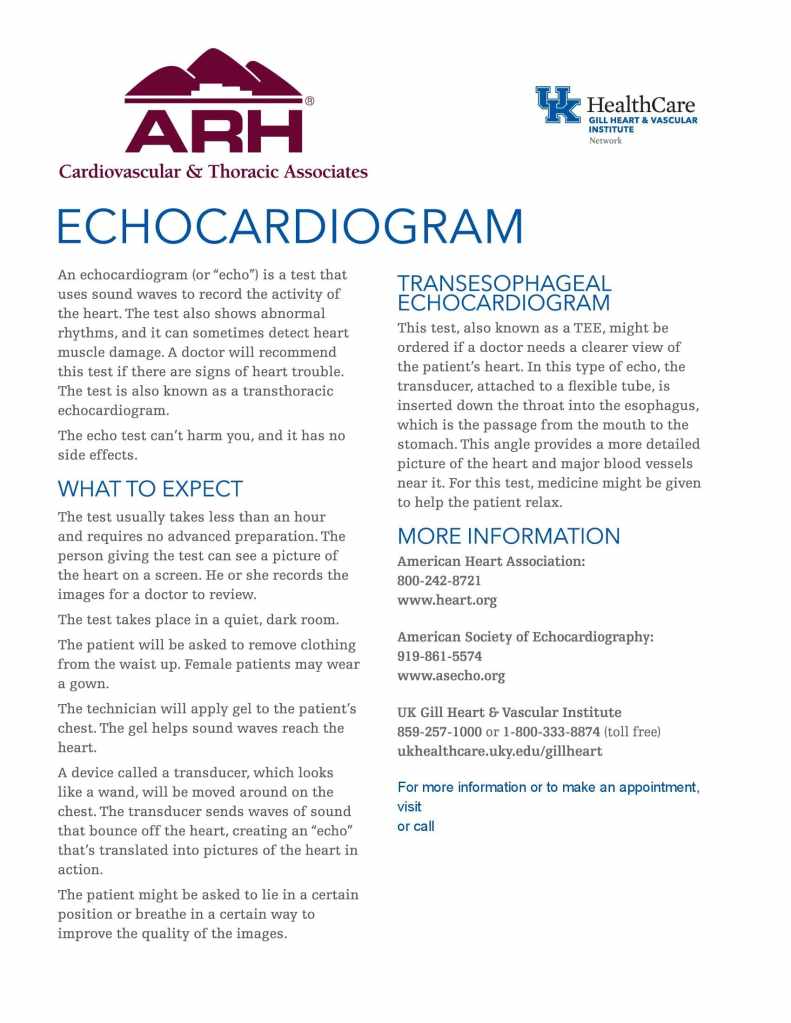
You can trust that the ARH cardiovascular imaging team is trained and certified to take great care of your heart. Cardiovascular imaging has become an essential part of diagnosis and treatment of cardiovascular issues because it allows doctors to see inside your body and assess how your heart and vascular system are operating. These images can show the structure, size and shape of your heart.
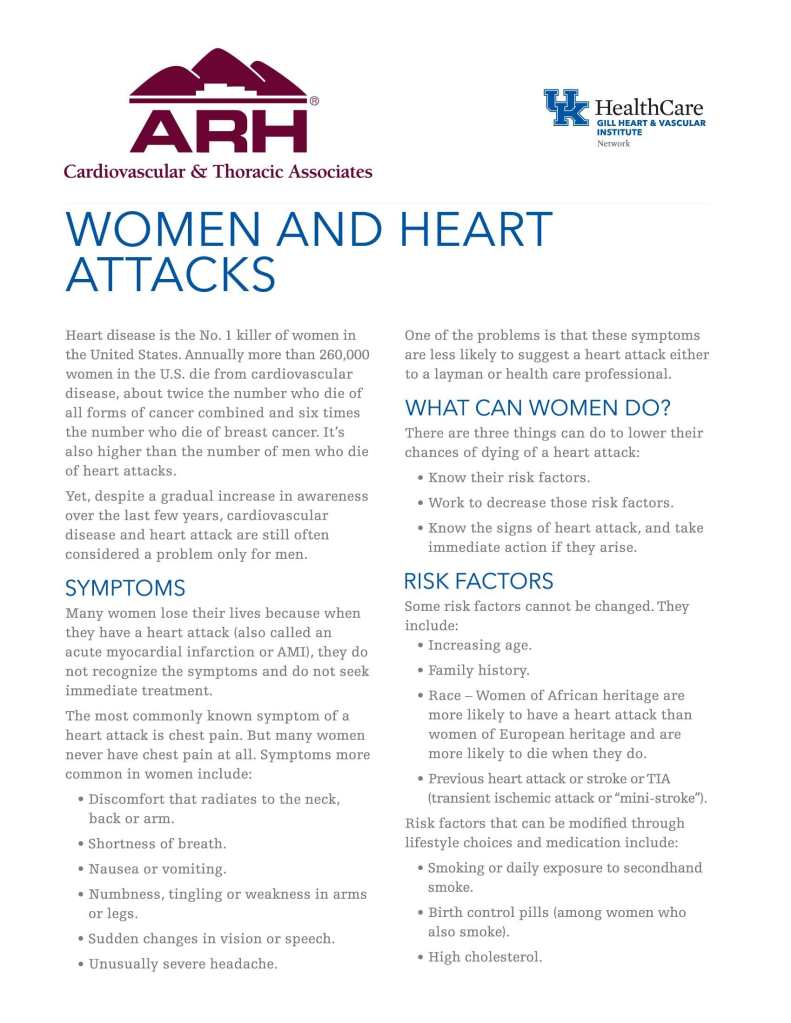
The EP (Electrophysiology) Program at ARH gives patients with heart rhythm disorders the gift of living longer and enjoying an enhanced quality of life. Cardiac conditions we treat at the ARH Cardiac EP Program include irregular heartbeats, syncope (fainting) and other heart rhythm disorders. The ARH EP Program treats patients using ablation procedures for abnormal rhythms of the heart such as A-Fib; along with devices, which include pacemakers, defibrillators, and implants used to treat heart rhythm problems that could be life-threatening.
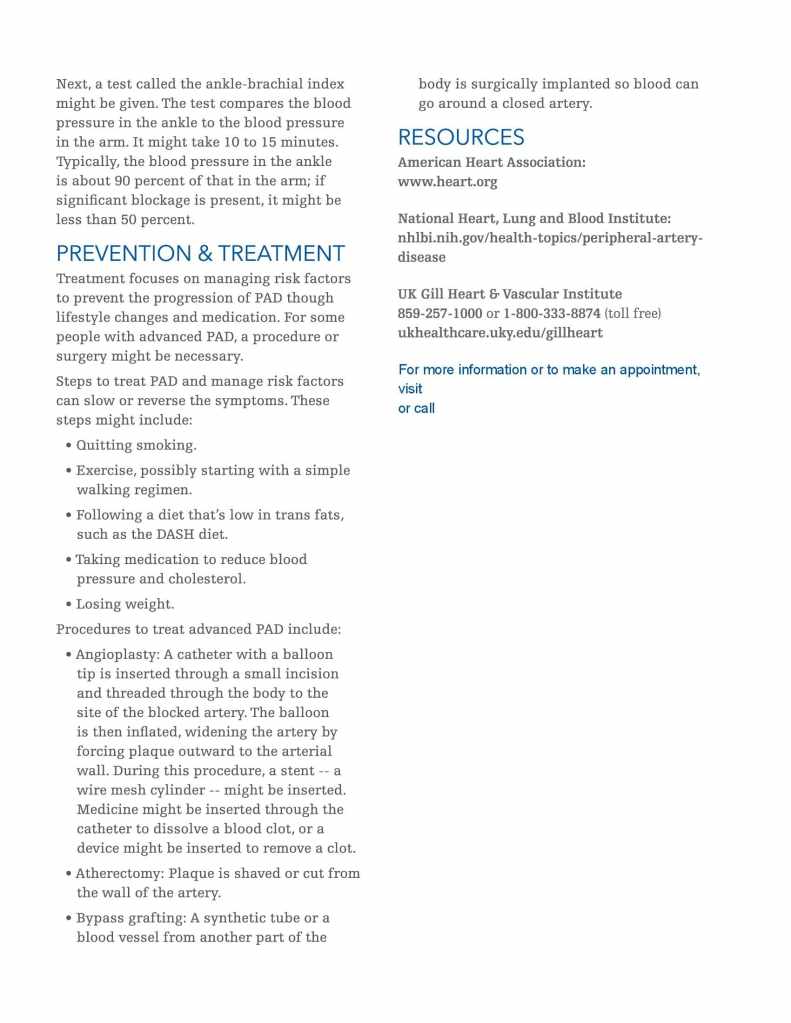
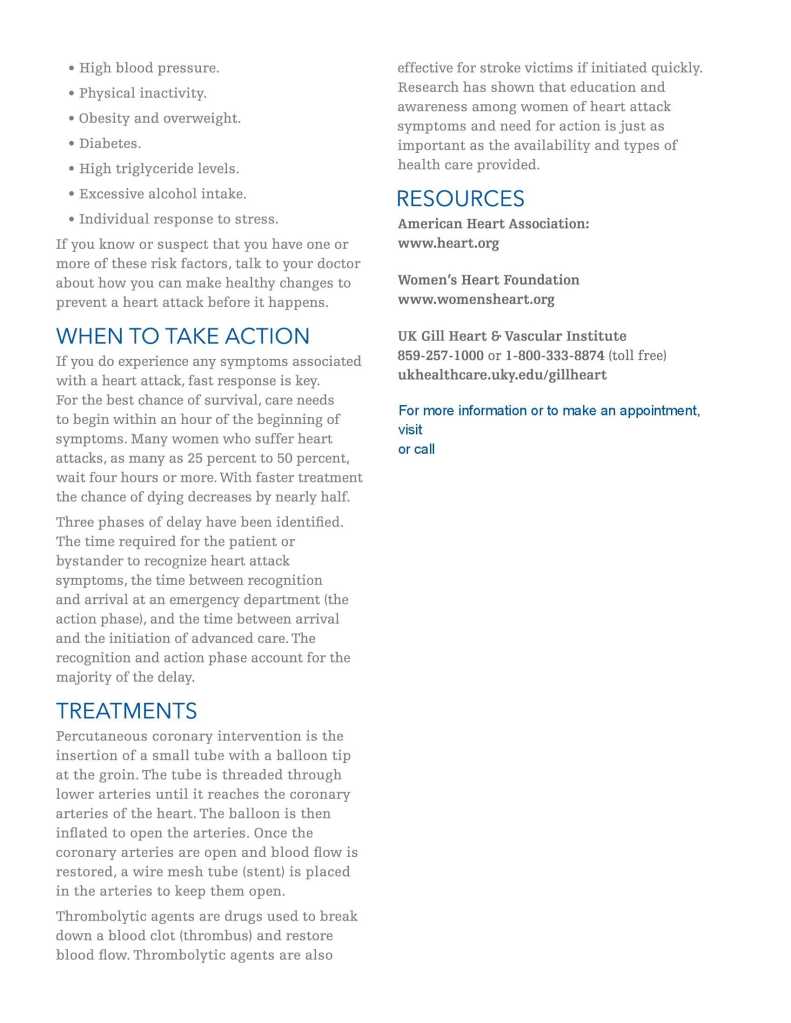
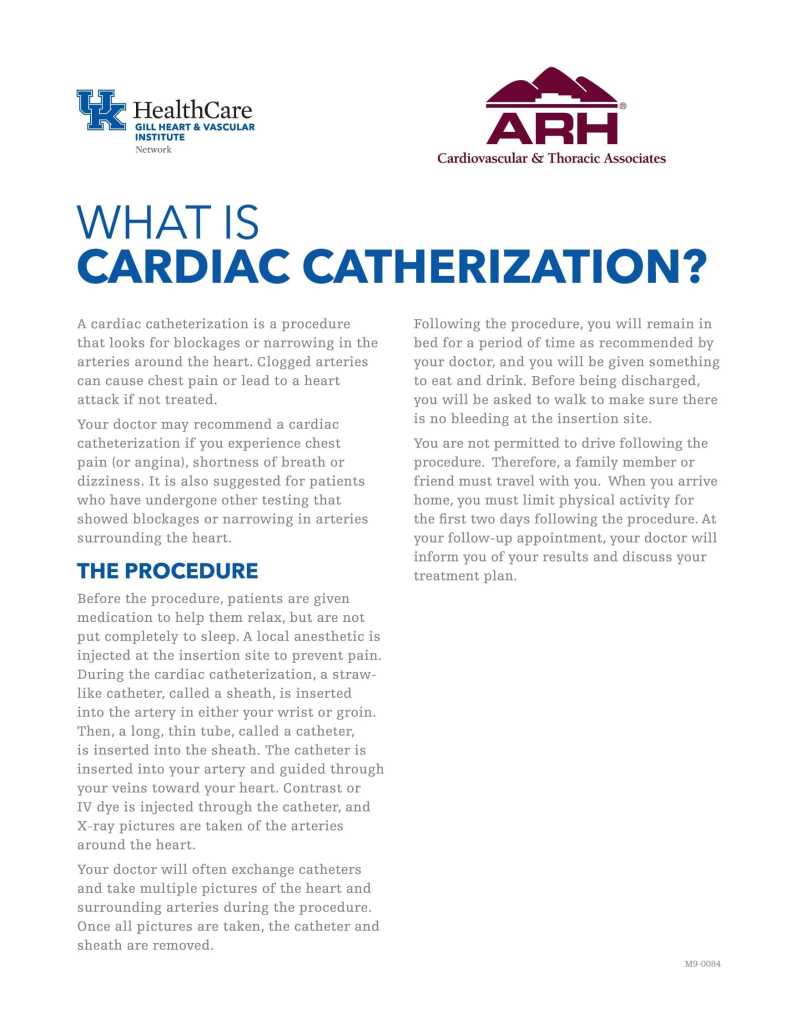
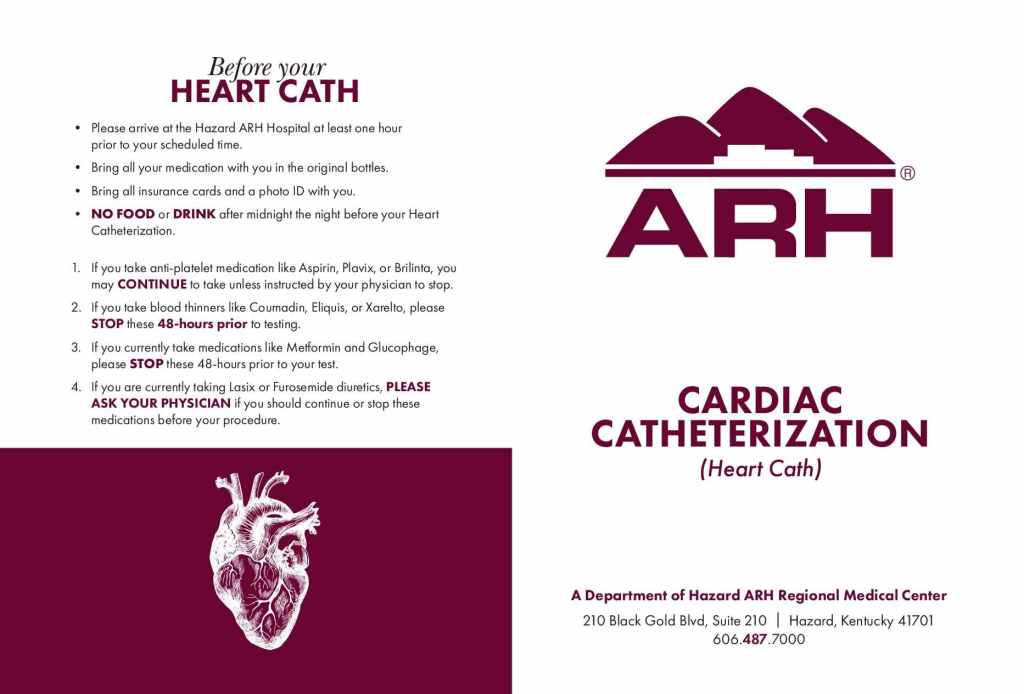
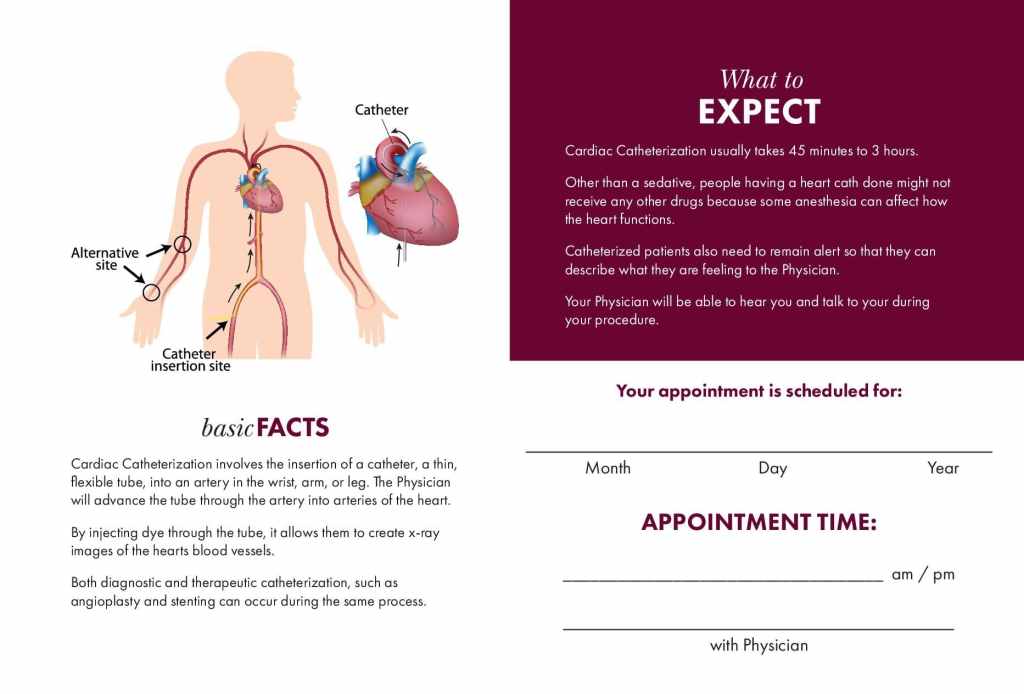
The ARH Cardiology team may talk to you about a procedure to see how well your heart is working to identify problems and administer treatment. The specialists who do this are ARH Interventional cardiologists. They are specialists who diagnose and treat cardiovascular diseases using minimally invasive procedures. These procedures often result in quicker recovery times and reduced risks compared to traditional open-heart surgery. Interventional Cardiologists use catheters, stents, and other advanced techniques to address conditions like coronary artery disease, congenital heart defects, clogged or hardened veins, valve obstructions, and oxygen supply issues.
Invasive cardiology involves procedures requiring direct access to the body’s internal structures for diagnostic and therapeutic purposes. Invasive cardiology uses techniques, such as catheterization, angiography, and other procedures, to assess and treat heart conditions by entering blood vessels or the heart itself to obtain detailed images, and measure pressures.
ARH provides expert cardiology services with personalized care tailored to your unique needs with non-invasive cardiology procedures performed without inserting needles, fluids, or anything else into the body. Non-invasive cardiology techniques include the following:
Coronary Artery Bypass Grafting, also known as open-heart surgery, is when your chest is opened by a cardiac surgeon and surgery is performed on the muscles, valves, or arteries of your heart.
Atrial Septal Defect Closure – sometimes called a hole in the heart — is a type of congenital heart defect in which there is an abnormal opening in the dividing wall between the upper filling chambers of the heart.
Pericardial drainage Is done to find the cause of fluid buildup around the heart and to relieve pressure on the heart.
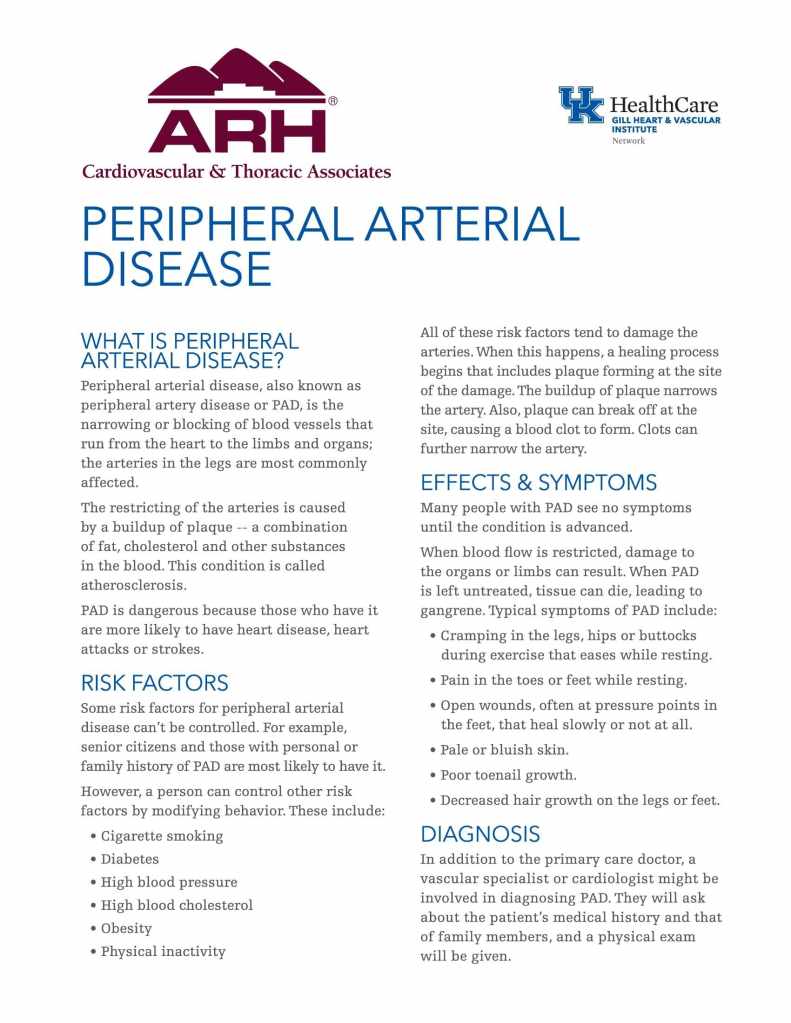
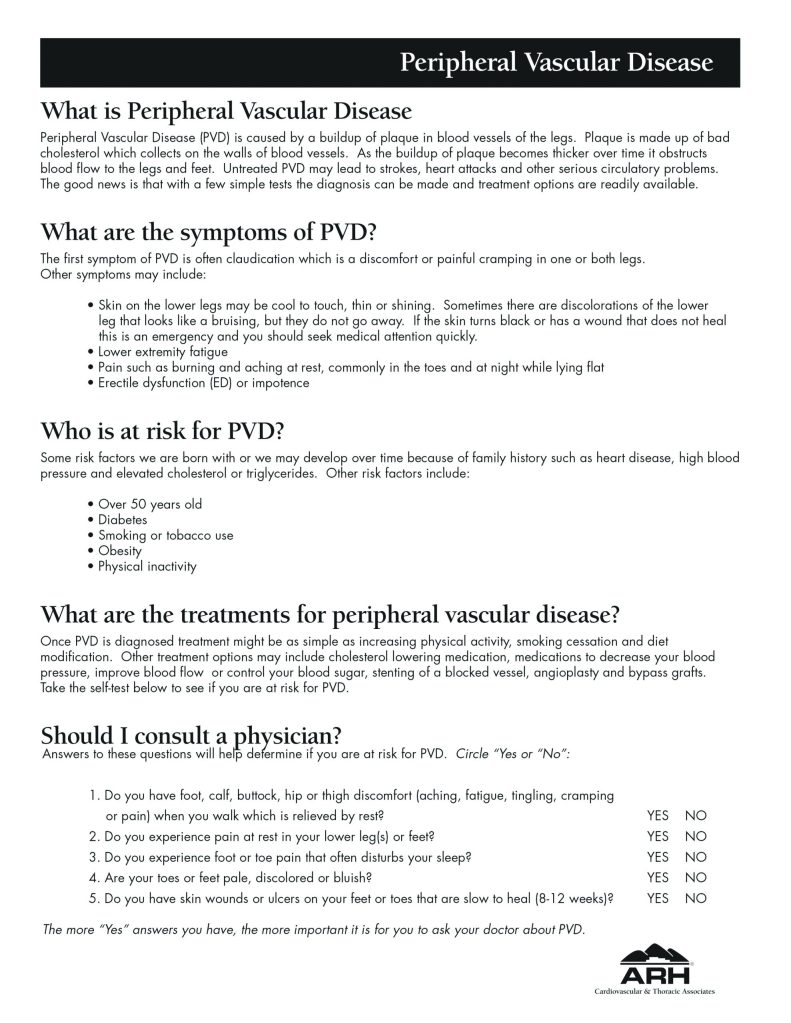
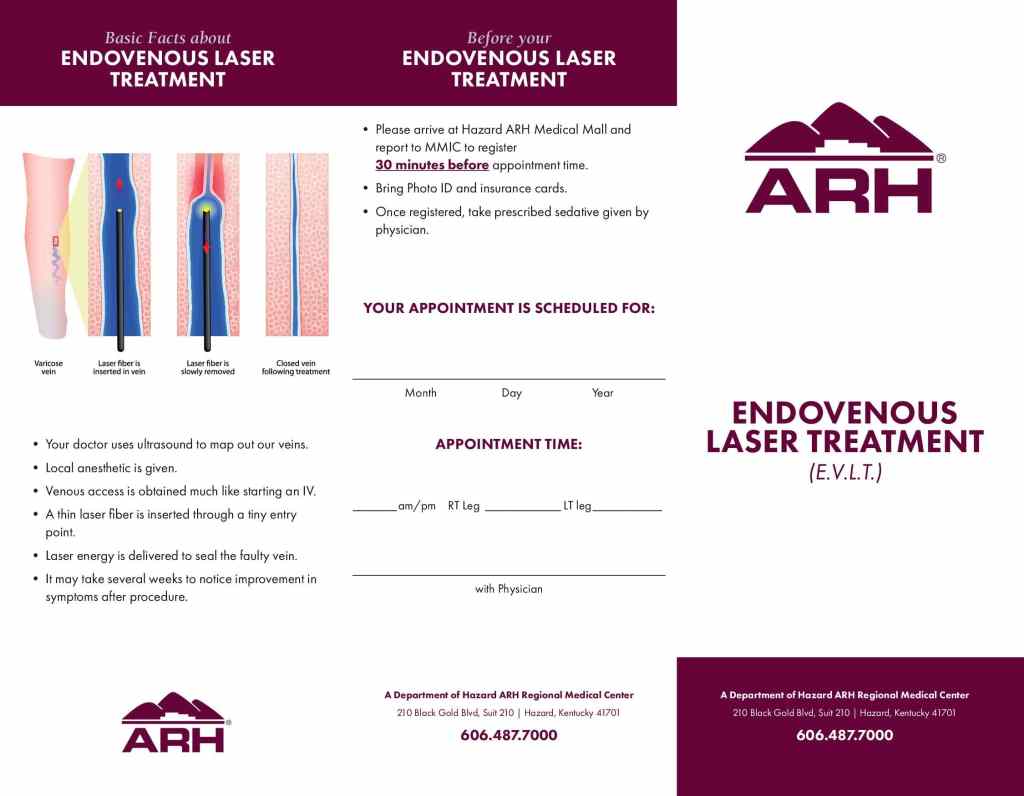
ARH Vascular Surgeons are specialists dedicated to treating conditions affecting your blood vessels outside of the heart with a focus on arteries, veins, and lymphatic vessels to address a wide range of circulatory issues. From repairing aneurysms and managing arterial blockages to treating varicose veins, vascular surgery encompasses both open surgical procedures and minimally invasive techniques.
To provide the best experiences, we use technologies like cookies to store and/or access device information. By continuing to use this website or otherwise clicking Accept below, you consent to the use of cookies by ARH. Consenting to these technologies will allow us to process data such as browsing behavior or unique IDs on this site. You understand you may withdraw your consent for the use of cookies through the link below. Not consenting or withdrawing consent, may adversely affect certain features and functions.