


MIAMI, Fla. — Appalachian Regional Healthcare (ARH) is gaining national attention for showing how something as simple — and essential — as food can play a powerful role in improving health.
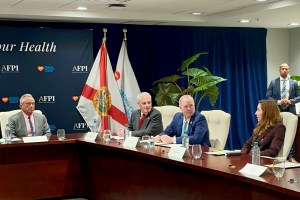 ARH was highlighted as a national best-practice model for Food Is Medicine during this week’s launch of the Florida Food Is Health Institutional Procurement Initiative in Miami. The event was part of the U.S. Department of Health and Human Services’ nationwide Take Back Your Health campaign focused on strengthening hospital food systems and expanding patient access to nutritious, locally sourced foods that can help prevent and manage chronic disease.
The national event brought together hospital leaders, agricultural partners, and federal officials focused on expanding how nutrition is integrated into patient care across healthcare systems across the country.
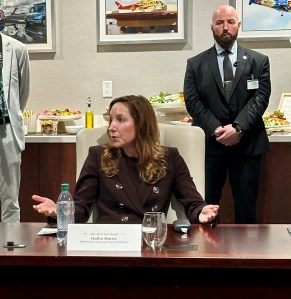
During the event, ARH President and CEO Hollie Harris was invited to help lead a national roundtable convened by U.S. Secretary of Health and Human Services Robert F. Kennedy, Jr., alongside Centers for Medicare & Medicaid Services Administrator Dr. Mehmet Oz. Harris was asked to help guide the discussion because of ARH’s leadership implementing Food Is Medicine strategies across rural hospital settings and communities.
“We are honored to share what we’ve learned through ARH’s Food Is Medicine work and the partnerships that have made it possible across our service area,” Harris said. “For too many years, health systems have focused on treating the most serious health conditions rather than finding ways to keep people well in the first place. Science and years of research have told us that food is medicine, and as healthcare providers, we have an important responsibility to help it continue to grow as part of how we care for patients and the communities they call home.”
 Rather than treating nutrition as an add-on, ARH embeds it into patient care across its multi-hospital system. ARH screens patients for food insecurity, offers produce prescriptions, provides medically tailored meals, and serves healthier hospital food. This approach addresses the root causes of chronic disease while supporting both recovery and long-term wellness.
“When health systems take food seriously, it changes lives,” said Harris, who also serves as co-chair of Kentucky’s statewide Food Is Medicine Initiative alongside Kentucky Agriculture Commissioner Jonathan Shell. “At ARH, Food Is Medicine isn’t theoretical — it has become a major part of how we care for our patients, support our workforce, and strengthen the communities we serve.”
Secretary Kennedy emphasized the importance of improving nutrition within healthcare settings nationwide, noting that quality food is foundational to quality care. Federal leaders also pointed to ARH as an example of how hospitals can lead this shift by aligning nutrition, clinical care, and community partnerships.
CMS issued a national Quality and Safety Special Alert during the event encouraging hospitals to align nutrition services with the forthcoming 2025–2030 Dietary Guidelines for Americans and strengthen food service practices that support patient recovery and long-term health outcomes. The guidance reinforces existing Medicare Conditions of Participation requiring hospitals to meet individual patient nutrition needs, maintain dietitian oversight, keep therapeutic diet manuals current, and integrate nutrition into quality and performance improvement programs.
During a national press conference following the roundtable, CMS leadership highlighted ARH’s workforce and patient nutrition strategies, noting that the system served nearly 1.9 million meals across its facilities last fiscal year — demonstrating the powerful role hospitals can play in improving health through food.
The event also spotlighted farm-to-hospital partnerships as a key strategy for improving food quality while supporting local agriculture. This approach is already underway in Kentucky through ARH’s partnerships with organizations including the Kentucky Department of Agriculture and the Kentucky Cattlemen’s Association to bring more locally sourced food into hospital kitchens.
Through its leadership in Kentucky’s statewide Food Is Medicine initiative, ARH is helping demonstrate how healthcare systems can improve patient outcomes while strengthening local economies. The work underway across Central Appalachia now serves as a model for health systems nationwide.
# # #